Used-Car Mileage Red Flags
Mileage is a proxy for wear, yet it also gets gamed, misreported, or interpreted incorrectly. A car with 90,000 miles can be smoother than one with 60,000 miles, and the reverse happens when maintenance quality differs. The red flag pattern usually appears when the odometer number conflicts with evidence from service history, component condition, and how the vehicle was used. This guide focuses on how to evaluate mileage without treating it as a single truth source.
What Buyers Commonly Misread
People often treat mileage like a diagnosis, then ignore the dependencies that actually drive wear. Tire aging, brake pad thickness, coolant condition, transmission behavior, and corrosion all depend on time and climate as much as miles. A commuter car in a mild region can show less underbody rust than a low-mileage car stored outdoors in winter salt.
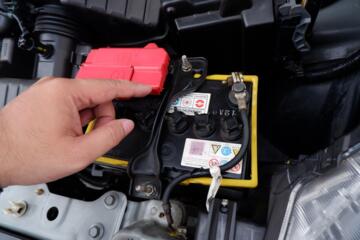
Another common mistake involves assuming that “low miles” automatically means “low risk.” Low mileage can still come with long idle periods, short trips, and neglected maintenance, which can accelerate issues like battery decline, moisture-related corrosion, and clogged intake systems. The odometer may look calm while the engine bay tells a different story.
Odometer fraud is real, and it often shows up as inconsistencies rather than a single magic number. In the U.S., odometer tampering is illegal under federal law (49 U.S.C. § 32703), and sellers can face penalties, but buyers still need to verify records because enforcement depends on reporting and investigation. Many listings also omit details like prior state registrations, which makes pattern checks harder.
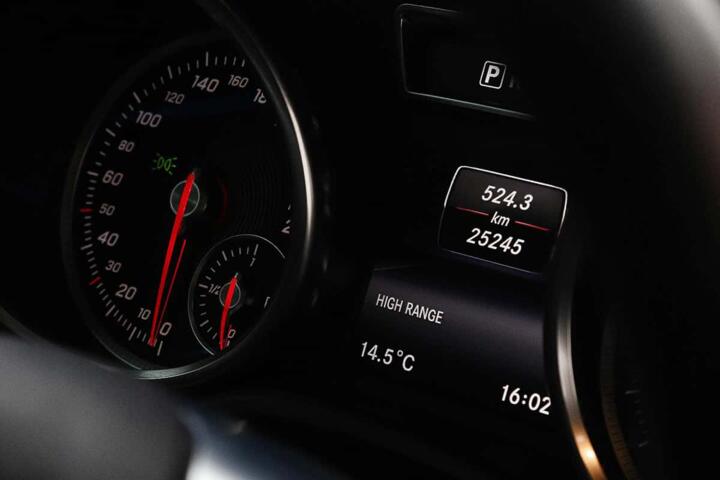
Supporting technologies matter because they create the evidence you can compare. Modern cars store mileage in multiple control modules, including the instrument cluster and powertrain-related units. When a cluster is replaced, the stored values may not match, and diagnostic tools can sometimes reveal that mismatch. Buyers who rely only on the dashboard number miss that the car may carry a history in its electronic modules.
How To Verify Mileage
Match Odometer To Paperwork
Start with a timeline, not a single reading. Request service records that show dates and mileage at each visit, then check whether the increments look plausible. If a record jumps from 18,000 miles to 38,000 miles in six months, ask for receipts that include the work order number. A dealer invoice dated 2022-03 with 41,200 miles carries more weight than a vague “serviced regularly” note.
For U.S. purchases, the title and vehicle history report can help, but they do not replace inspection. Look for gaps in registration, repeated mileage entries, and inconsistent state-reported readings. If the seller cannot explain missing history, the mileage number becomes harder to trust, even when it looks “reasonable.”
Inspect Wear That Should Track Miles
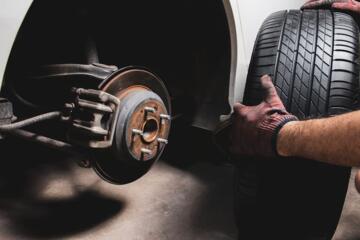
Use a quick physical audit to see whether wear aligns with the odometer. Tires often show age via DOT codes; a set manufactured in 2019 on a car listed at 2024 low miles can be normal, but a mismatch that suggests replacement timing inconsistent with the mileage story deserves questions. Brake rotors, pedal pads, steering wheel wear, and seat bolsters can also hint at usage patterns.
One practical aside: I’ve seen listings where the steering wheel logo looked heavily polished while the seller claimed “mostly highway miles.” That combination can happen, but it usually triggers a deeper look at interior photos and service records. If the car has 70,000 miles, the interior should not look like a 20,000-mile lease return unless there was a replacement or heavy refurbishment.
Check For Electronic Mileage Clues
Bring a scan tool or ask a shop to run a diagnostic scan that reads stored mileage from multiple modules. Many mainstream tools can read the instrument cluster and some powertrain modules, though coverage varies by make and model year. If module readings disagree, treat it as a lead, not a verdict, because repairs, cluster replacements, and software updates can create mismatches.
If the seller refuses a pre-purchase inspection, that refusal matters more than the odometer number. A diagnostic check often takes less than an hour at a typical independent shop, and the cost is usually far lower than a wrong purchase. A mild frustration point: some sellers say “the car is fine” while declining the one step that would show whether the mileage story holds up.
Use Test-Drive Evidence
Mileage affects how systems behave under load, but the test drive should target symptoms that correlate with wear. Listen for driveline clunks, check for delayed engagement on automatic transmissions, and note whether the engine runs smoothly at steady throttle. A high-mileage car with fresh fluids can feel better than a low-mileage car with neglected maintenance, so ask for fluid change records.
During the drive, watch for overheating history signs like coolant smell, persistent warning lights, or inconsistent idle quality. If the seller claims “low miles” and the car still shows repeated misfire codes during a scan, the mileage number becomes less meaningful than the fault history. A scan log from a shop, even a short one, can be more informative than a verbal explanation.
Educational Case Examples
Scenario A: A 2016 sedan listed at 62,000 miles shows service records with consistent mileage increments, but the tire DOT codes indicate tires manufactured in 2021. The seller explains that tires were replaced after a puncture, and the receipts match the timeline. The interior shows moderate wear consistent with 60k, and a pre-purchase scan shows consistent cluster and powertrain module readings. The buyer proceeds after confirming brake pad thickness and checking for rust in the rear suspension area.
Scenario B: A 2018 SUV advertised at 38,000 miles includes only two service entries and no registration history details. The brake rotors show heavy scoring, the driver’s seat bolsters look unusually worn, and the steering wheel shows glossy wear. A diagnostic scan reveals that the instrument cluster mileage differs from another module by a margin that the shop cannot reconcile with normal repair history. The buyer walks away because the mileage story conflicts across evidence sources.
Checklist: Mileage Vs Evidence
| Check | What To Look For | Red Flag Pattern | Next Step |
|---|---|---|---|
| Service timeline | Receipts with dates and mileage | Big mileage jumps or long gaps with no explanation | Ask for work orders; compare to tire/underbody age |
| Interior wear | Seat bolsters, pedals, steering wheel condition | Interior looks like far higher mileage than the odometer | Request photos and confirm any replacements |
| Tire age | DOT code manufacturing date | Tire age conflicts with claimed usage pattern | Verify replacement receipts; inspect tread depth evenly |
| Electronic mileage | Cluster and module readings | Mismatch without repair explanation | Use a shop scan report; ask for repair documentation |
| Fault history | Stored codes and readiness status | Frequent misfires or overheating history despite “low miles” | Diagnose before purchase; budget for repairs |
Use this checklist as a decision support tool. A single red flag does not prove fraud, but repeated mismatches across categories raise the odds that the mileage story is incomplete or inaccurate.
Common Mistakes That Cost Money
Skipping a pre-purchase inspection is the most expensive shortcut. A mechanic’s inspection catches issues that mileage alone cannot predict, like suspension wear, oil leaks, and corrosion. When sellers refuse inspections, the buyer loses the chance to compare physical evidence to the odometer claim.
Another mistake involves trusting screenshots of service history without verifying dates and mileage. Some records omit mileage, and some screenshots can be edited. A buyer who asks for original invoices or a dealer service portal export gets cleaner evidence.
People also overreact to one “odd” detail. A cluster replacement, for example, can create electronic mileage differences without fraud. The buyer should ask for documentation of repairs and then interpret the mismatch in context, not as a standalone accusation.
Finally, buyers sometimes ignore how driving pattern changes wear. A 30,000-mile taxi with frequent stop-and-go can wear brakes and clutches faster than a 60,000-mile highway commuter. Mileage still matters, but it needs the usage context that the service timeline and component condition can reveal.
FAQ
What mileage number counts as a red flag?
There is no universal threshold. Red flags appear when mileage conflicts with service records, tire age, interior wear, or electronic module readings.
Can a low-mileage car still be risky?
Yes. Low miles can coincide with short trips, long idle time, and skipped maintenance, which can worsen battery health, corrosion, and fluid degradation.
How can I check for odometer tampering?
Compare title and service records, inspect wear that should track usage, and request a diagnostic scan that reads mileage from multiple modules when available.
Do vehicle history reports prove mileage accuracy?
They can show reported readings over time, but they do not guarantee accuracy. Missing entries and reporting gaps can hide problems, so treat the report as evidence, not proof.
Should I buy if electronic mileage mismatches?
Do not treat a mismatch as automatic fraud. Ask for repair documentation and a shop explanation, then decide based on the full evidence set.
Author's Insight
Mileage becomes a red flag when it stops matching the rest of the evidence. The most reliable approach combines paperwork, physical inspection, and a diagnostic scan that can reveal inconsistencies across modules. Even then, some mismatches come from legitimate repairs, so the buyer needs documentation rather than assumptions. A careful buyer also tracks time-based wear signals like tire DOT codes and underbody corrosion, because time and climate drive deterioration alongside miles.
Key Takeaways
- Use mileage as a starting point, then test it against service records, tire age, interior wear, and fault history.
- Odometer tampering risk rises when multiple evidence sources disagree without a repair explanation.
- A pre-purchase inspection plus a diagnostic scan often costs less than the first major repair after a bad purchase.
- Low miles can still hide maintenance neglect, especially with short trips and long idle periods.