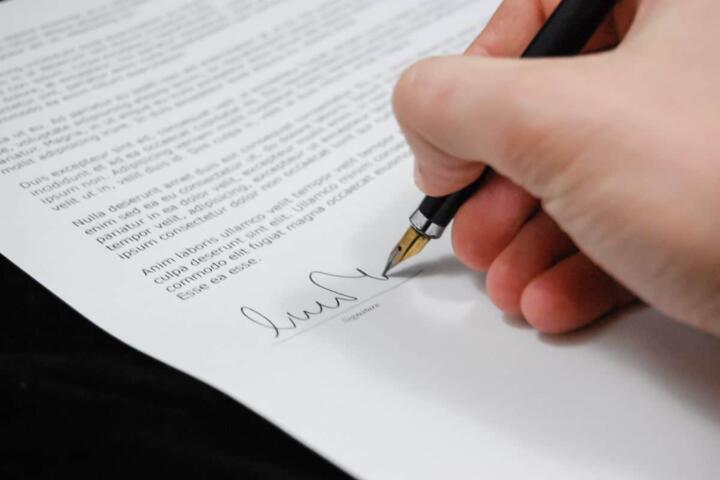
Lease Basics for First-Timers
Renting your first place usually feels simple until the lease terms start running your month. A lease is a contract that sets rent, deposit rules, maintenance duties, and what happens if you break the agreement. In many cities, rental demand stays high enough that landlords can fill units quickly, so you may face short viewing windows and limited negotiation. In the U.S., the Census Bureau reports median gross rent rose over time, and that pressure makes “small” fees matter more. One more number: security deposits often equal one month’s rent, which can tie up cash before you even move.
Skip the “sign now” pressure. They add one more thing to manage.
Before you sign, treat the lease like a checklist of operational risks. Ask how repairs get requested, how long they take, and what proof you must provide. Ask how utilities work, who pays for trash, and whether parking is included or billed separately. If the building uses a shared laundry room, confirm whether machines are coin-operated, card-based, or app-based, because that changes your monthly cost. Also check whether the unit has a working smoke alarm and carbon monoxide alarm, since many jurisdictions require them and landlords must keep them functional.
What People Miss
Most first-time renters focus on rent price and ignore the contract mechanics. That mistake matters because lease terms control your costs even when the unit underperforms. For example, a lease may state that you must pay for “minor repairs” even when the problem is recurring. Another common issue: leases sometimes require written notice in a specific format, so a phone call or email thread can fail to count. If you later dispute a charge, the landlord may point to the lease’s notice clause and your lack of compliance.
Skip the vague repair promise. It rarely survives a dispute.
Watch the data flow between you, the landlord, and the property manager. Your request goes in through a portal, email, or maintenance form, then a technician schedules work, then you confirm completion. If the lease says repairs require “reasonable access” and you don’t provide it, the landlord can delay and charge you for missed appointments. If the lease says the landlord has a set time to respond, you need to know whether that time is measured in business days or calendar days. When you sign, you also accept how inspections work, including move-in condition reports and move-out walkthroughs.
Check Before You Sign
Rent, fees, and the real total
Write down your expected monthly total before signing. Rent is only one line item; add parking, pet rent, trash fees, and any “amenity” charges that appear in the lease or addendum. Ask whether utilities are billed separately and whether there is a flat fee or usage-based billing. If the lease lists “estimated” utility costs, request the basis for the estimate and the last 12 months of bills for the unit if available. One practical method: create a spreadsheet with rent, deposit, utilities, internet, and recurring fees, then compare it to your monthly budget.
Skip the rent-only math. It hides the monthly shock.
Look for fee triggers that can repeat. Common examples include late fees, returned payment fees, key replacement fees, and charges for missed maintenance appointments. If the lease states late fees as a percentage, calculate the cost on your rent amount. If it states a flat fee after a grace period, note the exact number of days. If the lease includes “administrative fees” for certain events, ask for the fee schedule in writing.
Security deposit rules
Confirm the deposit amount, whether it is refundable, and the timeline for return. Many jurisdictions require landlords to return deposits within a set number of days after move-out, but the exact number varies. Ask how deductions are calculated and whether the landlord must provide an itemized statement. Check whether the lease allows deductions for “normal wear and tear,” since that phrase can be used loosely. If the lease includes carpet cleaning or painting charges, ask whether those are automatic or only after damage.
Skip the “we’ll decide later” language. It turns into deductions.
Request the move-in condition report format and deadlines. If the report is digital, ask how you can access it later and how long it stays available. If the landlord requires you to submit photos within 48 hours, set a reminder and document every room. A small aside: I’ve seen leases that mention “Version 3.1” of a portal form, which matters because the portal sometimes changes what fields you can edit.
Case Examples
Example 1: utility confusion
A renter toured a unit with “utilities included” in the listing. The lease later stated that water and sewer were included, while electricity and gas were tenant responsibility. The renter signed without asking for past utility bills and planned a budget based on the listing. After move-in, electricity costs rose due to HVAC usage, and the renter struggled to cover the gap. The fix came from reading the lease addendum, then requesting the building’s billing method and the prior 12 months of utility statements from the landlord.
Skip the listing-only assumption. The lease decides the bills.
Example 2: repair request trail
A renter reported a recurring leak by text to a building contact. The lease required maintenance requests through a specific portal and stated that only portal tickets count as formal notice. When the leak worsened, the landlord argued the renter failed to follow the notice process. The renter then restarted the request through the portal, documented dates, and asked for written confirmation of the repair plan. The outcome depended on the repair timeline and the renter’s documentation, not on the earlier text messages.
Checklist and Comparison
Use this decision support checklist before signing. It focuses on contract terms and operational details that affect monthly cost and dispute risk.
| Check | What to look for | Why it matters | Your next action |
|---|---|---|---|
| Rent + fees | Late fee terms, parking, pet rent, trash | Fees repeat and change monthly totals | Build a monthly cost sheet |
| Deposit | Refund timeline and deduction rules | Deductions can be disputed with evidence | Confirm itemized statement rules |
| Repairs | Emergency vs routine, ticket process | Notice rules control responsibility | Ask for the portal workflow |
| Utilities | Included items and billing method | “Included” often excludes one bill | Request last 12 months if possible |
| Renewal | Auto-renew notice deadline | Missing a deadline can lock you in | Calendar the notice date |
| Entry rules | Notice period and emergency exceptions | Access rules affect your privacy and schedule | Ask about entry windows |
| Condition report | Deadline and evidence format | Photos prevent unfair deductions | Submit early with dated media |
Skip the “I’ll read it later” plan. You need it before signatures.
Common Mistakes
Mistake 1: Signing before you get the full lease set. Why it happens: people receive a partial document during tours, then assume the rest matches. Impact: missing addenda can change fees, pet rules, or renewal terms. How to avoid it: request the complete lease package, including all exhibits, addenda, and any “community rules” that become part of the contract.
Mistake 2: Treating the listing as the contract. Why it happens: listings summarize amenities and utilities in short text. Impact: you can pay for utilities you thought were included, and disputes turn into contract interpretation. How to avoid it: compare every “included” item to the lease language and ask for written clarification when the lease conflicts with the listing.
Mistake 3: Reporting repairs without a formal trail. Why it happens: tenants use the fastest channel, like text messages. Impact: the landlord may claim you didn’t provide required notice, delaying repairs and shifting responsibility. How to avoid it: use the lease-required method, record ticket numbers, and keep screenshots or confirmation emails.
Mistake 4: Underestimating move-in documentation. Why it happens: people focus on furniture and forget condition evidence. Impact: you may get charged for pre-existing damage. How to avoid it: take dated photos of every room and submit the move-in condition report within the lease deadline.
Mistake 5: Missing renewal or termination deadlines. Why it happens: deadlines appear in dense lease text. Impact: auto-renewal can lock you into another term or force you into costly early termination. How to avoid it: find the exact notice window, set reminders at 60 and 30 days before the deadline, and confirm the process for sending notice.
FAQ
What should I ask the landlord before signing?
Ask for written answers that map to lease clauses: the exact rent and fee schedule, deposit refund timeline, utilities included versus excluded, and the maintenance request method. Request the move-in condition report format and the deadline for submitting it. Ask how entry works for non-emergency maintenance and whether the building uses a portal or phone line. If the lease includes auto-renewal, ask for the notice deadline and the method for sending notice. Keep the landlord’s responses in email so you can reference them later.
How do I estimate my monthly cost beyond rent?
Start with the lease’s line items: rent, parking, pet rent, trash, and any mandatory fees. Then add utilities based on the billing method. If the lease uses flat utility fees, use those numbers; if it uses usage-based billing, request historical bills for the unit if possible. Add internet costs and any required services like renters insurance if the lease mandates it. Finally, include a buffer for one-time costs like key replacements or initial cleaning, since those often arrive right after move-in.
What counts as “normal wear and tear”?
“Normal wear and tear” usually means deterioration from ordinary use, not damage from neglect or misuse. Leases often define it loosely, and landlords may still charge for things they argue exceed normal wear. The practical approach is documentation: take dated photos at move-in, report issues promptly, and keep records of repairs. If you expect to repaint or replace items, ask whether the landlord charges for those changes. If the lease lists automatic cleaning charges, ask whether they apply only when damage exists.
Can I break a lease if I find a better option?
Breaking a lease depends on the termination clause and your jurisdiction’s rules. Many leases require an early termination fee and may require you to pay rent until a replacement tenant is found. Some leases allow termination for specific reasons, like certain military moves, but the details vary. Before you sign, ask for the exact fee formula and whether the landlord must make “reasonable efforts” to re-rent. If you think you might move within 6–12 months, treat the termination clause as a cost estimate, not a formality.
What should I document during move-in?
Document everything that could be disputed: floors, walls, windows, appliances, plumbing fixtures, smoke alarms, and any existing stains or chips. Use dated photos and short videos, and include close-ups of any pre-existing issues. Submit the move-in condition report using the lease-required method and keep confirmation. If the portal has upload limits, upload in batches and verify that each file shows as received. If you discover a problem after submission, send an updated report quickly, because delays can weaken your position.
Author's Insight
Lease disputes often turn on process, not just the underlying problem. A repair request submitted through the wrong channel can fail to count as notice, even when you reported the issue. Treat the lease as a workflow: notice method, deadlines, and documentation rules. When you read the contract slowly, you spot the hidden costs that listings never mention.
Skip the assumption that “included” means everything. Read the exclusions line-by-line.
Key Takeaways
- Build a monthly cost sheet from the lease, not from the listing.
- Confirm deposit refund rules and the move-in condition report deadline.
- Use the lease-required maintenance request method and keep ticket proof.
- Calendar renewal and termination deadlines before you sign.
- Document the unit with dated media and submit early.
Sign only after you can answer each item in writing. If you cannot, ask, then wait.