Used Car Buying Basics
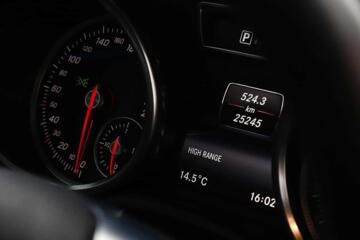
Buying a first used car means you trade new-car warranties for your own checks. The goal is to catch safety issues, hidden damage, and expensive wear before you sign. A practical starting point is the vehicle identification number (VIN) and the service history, because they anchor what you see in person. In the US, the odometer reading is legally required to be accurate under federal rules, and tampering can trigger penalties, but enforcement varies by case.
Check the basics first. Then go deeper.
Use measurable targets during inspection. For example, tire tread depth should be at least 2/32 in (1.6 mm) in many jurisdictions, and lower tread increases stopping distance on wet roads. Brake rotors should show even wear patterns, and a steering wheel vibration at 60 mph (97 km/h) often points to rotor thickness variation or imbalance. A scan tool can read stored diagnostic trouble codes (DTCs) even when the check-engine light is off, which matters because some faults are intermittent.
Main Problems People Miss
Many first-time buyers focus on paint and interior condition while missing the systems that drive risk and cost. A car can look clean after a quick wash and still have flood damage, a misaligned frame, or a failing cooling system. Flood damage is especially tricky because corrosion can start inside modules and wiring harnesses, and symptoms may appear weeks later after humidity cycles.
Skip the “low miles” assumption. It can lie.
Odometer readings can be misleading when a car has had a cluster replacement, a wiring repair, or a non-matching title record. Even when the odometer is accurate, low mileage does not prevent age-related failures like rubber cracking in hoses, worn engine mounts, or degraded brake fluid. Brake fluid absorbs moisture over time; that moisture lowers the boiling point, which can worsen fade during repeated braking.
Watch for warning lights. They repeat patterns.
Intermittent faults are common. A loose gas cap can trigger an evaporative system code, but a persistent purge valve fault can also cause rough idle. Stored codes also help you separate “normal wear” from “needs diagnosis now,” because the same symptom can come from different causes. The dependency chain matters: for example, a weak battery can cause misfires in cold weather, and a failing alternator can trigger multiple electrical codes.
Solutions And What To Do
Verify Title And History
Start with the VIN and confirm the title status, ownership chain, and any branded history through official records where available. Then compare the VIN on the dash plate, door jamb, and paperwork. This works because mismatches can indicate swapped parts or paperwork errors, and branded titles can change your insurance and resale options. In practice, you want a clear timeline of ownership and service entries, not just a single “recent oil change” note.
Ask for records in writing. Emails count.
Inspect Tires, Brakes, And Steering
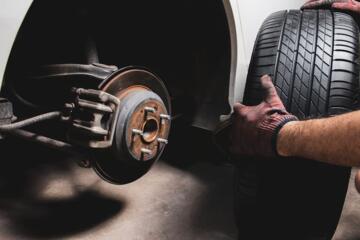
Measure tire tread depth with a gauge and check for uneven wear across the width. Uneven wear can point to alignment issues, worn suspension components, or tire pressure problems. Inspect brake pads and rotors for scoring, heavy rust on only one side, and uneven pad thickness. During the test drive, brake feel should be consistent; pulling to one side can indicate sticking calipers or uneven pad material.
Check brake fluid color. It should look clean.
Scan Codes And Review Live Data
Use an OBD-II scanner to read stored and pending DTCs, then clear nothing until you document what you found. Live data during idle and light acceleration can show misfire counts, fuel trims, and oxygen sensor behavior. This works because some failures only appear under certain loads, and live data helps you judge whether a code is a one-off or a repeating fault. In practice, note the scan tool model and software version; even a basic reader can show pending codes, but better tools show freeze-frame data.
Write down the codes. Then research by code.
Test Cooling, Charging, And Battery
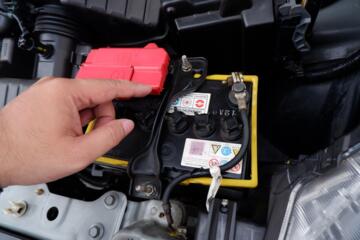
Check coolant level when the engine is cold, inspect hoses for swelling or cracking, and look for signs of leaks around the radiator and water pump area. For charging, verify battery condition and alternator output with a multimeter or a battery tester at a parts store. This works because overheating and weak charging can damage head gaskets, sensors, and wiring. A mild aside: many sellers wipe the engine bay; you still want to look for dried residue at hose connections.
Cold start matters. It reveals weak parts.
Examples From Real Scenarios
Example: The “Clean” Sedan With Codes
A buyer inspected a 2012 sedan with 78,000 miles and good paint. The seller provided receipts for oil changes but no scan history. The OBD-II scan showed a pending misfire code and a freeze-frame indicating the fault occurred under light acceleration. During the test drive, the engine hesitated briefly at 25–35 mph, and the misfire counters rose in live data. The buyer walked away and asked for a repair invoice; the seller later offered a different car.
Skip the “it drives fine” claim. Data disagreed.
Example: The SUV With Uneven Tire Wear
A buyer looked at a compact SUV with 62,000 miles and a recent tire purchase receipt. The tires had tread depth above 4/32 in, but wear patterns differed left to right, and the steering wheel centered slightly off. A brake inspection showed uneven pad thickness, and the underbody inspection revealed fresh fasteners near a control arm area. On the road test, braking pulled gently to one side. The buyer requested an alignment report and a suspension inspection; the seller declined, and the buyer chose not to proceed.
Uneven wear signals alignment issues.
Checklist For Decision Support
| Check | What You Want To See | What To Treat As A Red Flag | Next Step |
|---|---|---|---|
| Title and VIN match | VIN matches across plates and paperwork | VIN mismatch, missing title, undisclosed brands | Stop and verify official records |
| OBD-II codes | No pending codes or explainable history | Pending misfires, ABS/airbag codes | Diagnose before purchase |
| Tires and alignment | Even tread wear, stable steering | Cross-wear, steering off-center | Request alignment and suspension check |
| Brakes feel | Straight stops, no vibration | Pulling, pedal pulsation, grinding | Inspect calipers, rotors, fluid condition |
| Cooling and charging | No leaks, stable temperature, healthy battery | Overheating history, weak charging | Test with battery/alternator tools |
| Seller behavior | Allows inspection and documentation | Refuses third-party checks, rushes payment | Walk away and keep searching |
Use this as a decision filter. Then verify with a mechanic.
Common Mistakes To Avoid
Skipping a cold start test is a frequent error. Many mechanical faults show up only when oil is thick and battery voltage is lower, and a warm engine can hide rough idle. Another mistake is clearing codes before you document them; you lose the freeze-frame context that helps a technician diagnose the root cause. Buyers also overvalue “recent work” without receipts, because parts can be replaced without fixing the underlying issue.
Don’t pay for guesses. Demand evidence.
Some buyers ignore tire age. Tires can look fine while aging internally, and sidewall cracking can appear even when tread depth looks acceptable. Others focus on mileage while ignoring service intervals; oil changes done every 12,000 miles can still be wrong if the car’s usage pattern requires shorter intervals. A mild frustration: sellers often say “it’s been maintained,” but they rarely explain what was done at 30,000 miles versus 60,000 miles.
Ask for dates, not slogans.
Another common mistake is treating a single test drive as a complete evaluation. Transmission behavior can change after heat soak, and suspension noise can appear only on certain road surfaces. If the car has a history of overheating, you need a longer drive with steady highway time. Finally, buyers sometimes negotiate based only on price while ignoring the cost of immediate repairs; that approach can turn a “deal” into a budget problem within 90 days.
FAQ
What Should I Bring To Inspect?
Bring the VIN, a tire tread gauge, a flashlight, and a notepad for timestamps. If you can, bring an OBD-II scanner to record stored and pending codes before any clearing. A multimeter or a battery tester helps with charging checks, but many parts stores can test battery health on-site.
How Do I Know If A Car Has Flood Damage?
Look for corrosion on connectors, water lines in interior fuse boxes, musty odors that persist after airing out, and signs of wiring repairs near modules. A scan can show electrical faults, but it cannot confirm the source. If the seller cannot explain water-related repairs with receipts, treat the risk as unresolved.
Should I Buy If The Check Engine Light Is Off?
An off check-engine light does not rule out faults because some issues stay stored as pending codes or only appear under certain driving conditions. Scan for DTCs and review freeze-frame data if your scanner supports it. If codes relate to misfire, emissions, or drivability, get a diagnosis before purchase.
How Long Should A Test Drive Be?
Plan for at least 15–20 minutes with mixed driving: steady speed, moderate acceleration, gentle braking, and low-speed turns. Heat-soak matters for cooling and some transmission behavior, so include a segment where the car has been running long enough to reach normal operating temperature. If the seller refuses a longer drive, that refusal is itself a data point.
When Should I Pay For A Mechanic Inspection?
Pay for a pre-purchase inspection when the car has any warning codes, visible uneven wear, accident history, or unclear maintenance records. A mechanic can check underbody condition, measure brake components, and inspect for leaks that do not show up during a short look. If the seller pressures you to skip it, treat that as a reason to slow down.
Author's Insight
Used-car risk management is mostly about reducing uncertainty with evidence: paperwork that matches the VIN, scan results that show stored faults, and physical checks that reveal wear patterns. Buyers often underestimate how age-related failures show up even at low mileage, especially in rubber hoses, brake fluid, and suspension bushings. A careful approach treats each discrepancy as a question to answer, not a detail to ignore. When evidence conflicts, the safest move is to pause the purchase and ask for a diagnostic explanation from a qualified shop.
Key Takeaways
Verify title and VIN match, then scan for stored and pending codes before you negotiate. Inspect tires, brakes, steering feel, cooling, charging, and underbody condition, and record what you find with dates and measurements. Budget for near-term maintenance based on documented service history, not seller claims. If you see airbag or ABS-related codes, overheating history, structural repair clues, or refusal to allow a third-party inspection, seek a professional mechanic’s evaluation or walk away.
Next step: pick one car, run the checklist, and schedule a pre-purchase inspection before payment. If you already own a car and notice overheating, persistent warning lights, or brake pull, contact a qualified mechanic promptly rather than waiting for symptoms to “settle.”